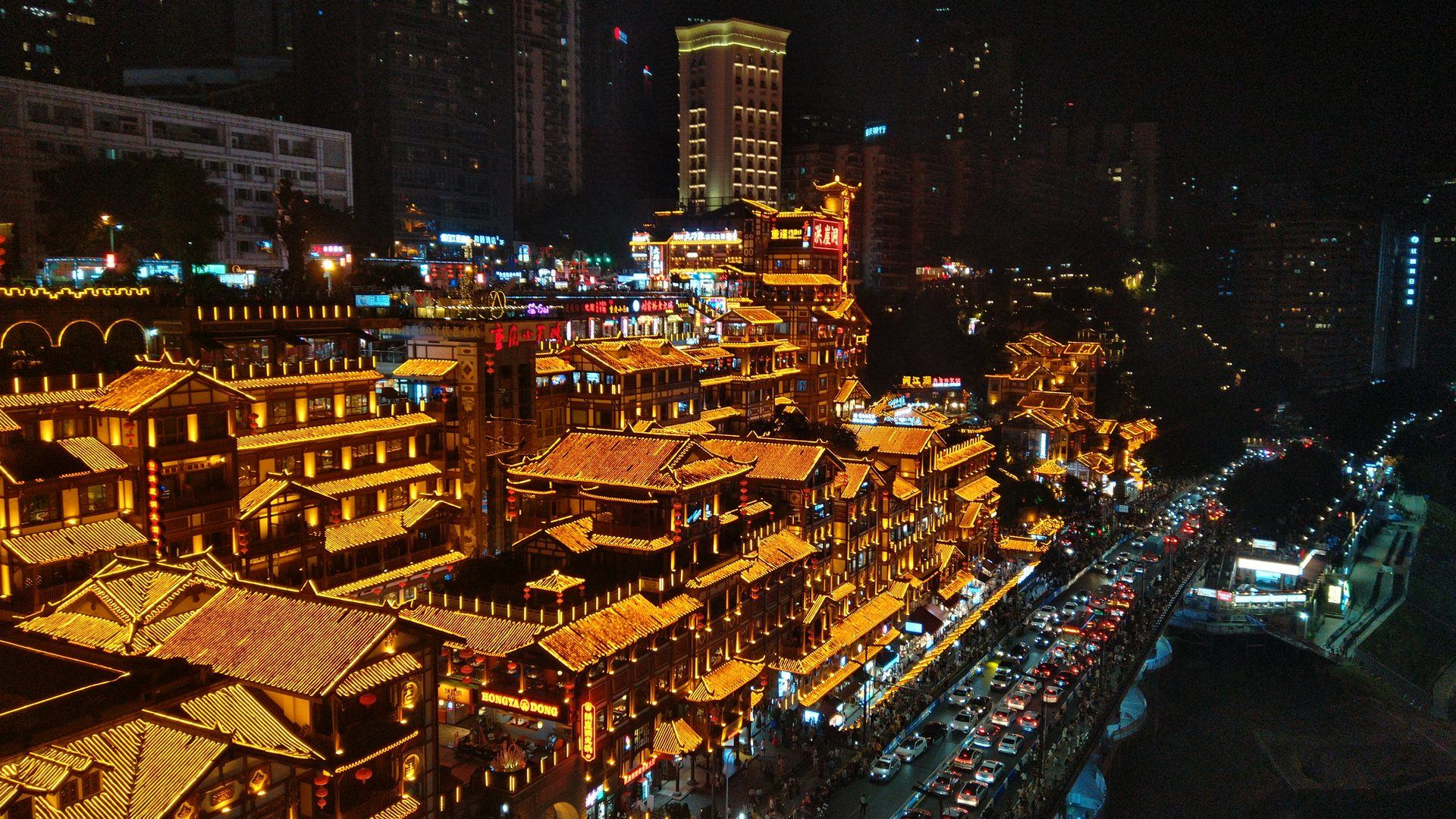
Quick answer
Chongqing is worth visiting for night views, vertical city design, hotpot culture, river scenery and access to Wulong, Dazu and Zhangjiajie. It is less simple to self-navigate than flatter Chinese cities, so private planning adds real value.
- Go for cyberpunk city views, food and dramatic terrain.
- Stay 2 to 3 days for the city, 4 days with Dazu, 5 days with Wulong, or 7 days with a Zhangjiajie extension.
- Use a central base if you care about night views and easier transfers.
Who will love Chongqing
Photographers, food travellers, repeat China visitors and people who want a more local megacity usually respond strongly to Chongqing.
Who may prefer Chengdu
If your priority is pandas, teahouses and a softer pace, Chengdu may be easier. Many travellers combine both.
Who Chongqing is best for
| Traveller type | Fit | Why |
|---|---|---|
| First-time China visitors | Good with guidance | The city is dramatic but easier with private routing. |
| Photographers | Excellent | Night skyline, bridges, steep streets and Liziba make strong visual scenes. |
| Families | Good if paced | Transport icons are fun, but stair-heavy routes need adjustment. |
| Luxury travellers | Strong potential | Better hotels and private transfers reduce friction in a vertical city. |
When Chongqing may not be the right fit
Skip or shorten Chongqing if you only want pandas, slow teahouse culture or very flat walking days. In that case, Chengdu may be a softer base. Chongqing works best when you want visual intensity, food, night views and a more unusual city story.
Best first private route
For most travellers, the strongest first route is 2 to 3 days: Jiefangbei, Hongya Cave after dark, Liziba, Shibati or Ciqikou, one river viewpoint, one hotpot or vegetarian-friendly food plan, and a flexible departure transfer.
Local Chongqing planning notes
These are the pages that build our Chongqing moat: practical local details about timing, walking, food, families, seniors, Wulong and Dazu that generic China tour sites rarely explain deeply.
Best timing, Hongya Cave angles, riverside exits and crowd-aware route design.
Comfort planningChongqing for seniorsHotel access, walking levels, Wulong versus Dazu and private pacing notes.
Food comfortNon-spicy food guideHow to enjoy Chongqing food without spice surprises, broth problems or ordering stress.
Family logisticsChongqing with kidsTransport icons, stroller reality, meals, hotel choice and tired-child backup plans.
Nature add-onWulong Karst guideThree Natural Bridges, walking level, weather, day trip versus overnight.
Heritage add-onDazu Rock Carvings guideBaoding, Beishan, cultural context and a calmer day trip from Chongqing.
Want this turned into a private plan?
Tell us your dates, group size and preferred pace. We will translate the guide into a custom Chongqing itinerary.
FAQ
Yes, especially if you want a Chinese city that feels different from Beijing, Shanghai, Xi'an and Chengdu. Chongqing rewards you with dramatic night views, a vertical 8D cityscape at the confluence of the Yangtze and Jialing rivers, deep hotpot culture and access to Wulong and Dazu. It is less simple to self-navigate than flatter cities, which is exactly where private planning adds real value.
Two days cover the highlights, three days feel more relaxed, and five to seven days let you add the Wulong karst nature area or the Dazu Rock Carvings. For most travellers, two to three days in the city captures Jiefangbei, Hongya Cave after dark, Liziba and a river viewpoint comfortably. We tailor the length to your pace and the add-ons you fancy.
Choose Chongqing for cyberpunk night views, dramatic vertical terrain and intense food; choose Chengdu if your priority is pandas, teahouses and a softer, slower pace. Many travellers happily combine both, since Chengdu is a short high-speed-rail ride away. Tell us what excites you most and we will weight the itinerary, or link the two cities into one seamless trip.
Chongqing is a wonderful first-time choice when you have guidance, because the city is dramatic but its vertical layout, traffic and language barrier make it harder to self-navigate than flatter destinations. A private English-speaking guide, private vehicle and driver turn that complexity into an easy, memorable trip. First-timers get the wow factor without the logistical stress.
Chongqing's magic is its verticality: an 8D city stacked over hills where a light-rail monorail glides straight through a building at Liziba, and the stilted Hongya Cave complex blazes with neon above the river. Add the Yangtze Cableway, fiery hotpot and a genuinely local megacity feel, and you get a place that looks and tastes like nowhere else in China. It is a photographer's and food-lover's dream.
Chongqing draws big domestic crowds at hotspots like Hongya Cave and Liziba, yet it still feels far more local and less foreign-oriented than many headline Chinese destinations. The key is timing and routing: your private guide visits the icons at calmer hours and threads in quieter streets, viewpoints and food spots. That way you get the wow of the landmarks without feeling swallowed by the crowd.