Quick local answer
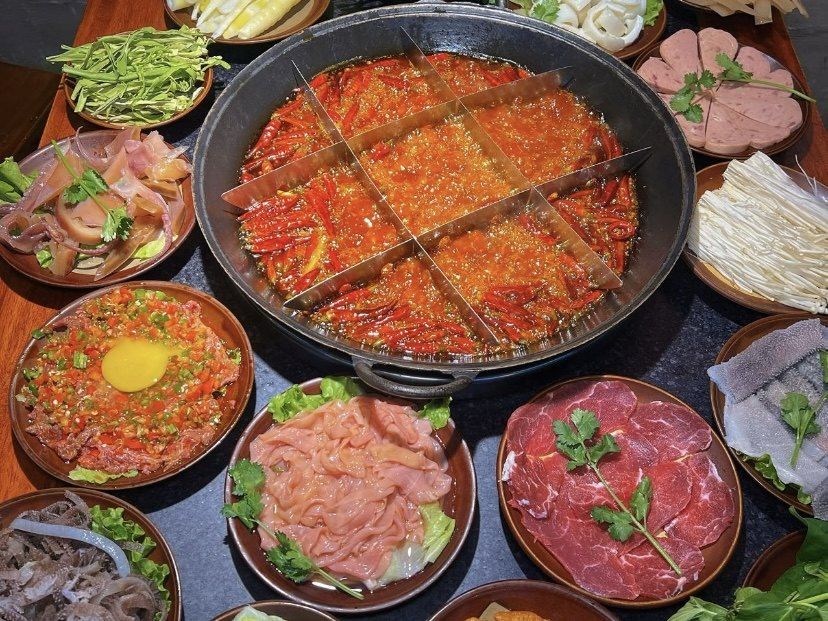
Foreign travellers who do not eat spicy food can still enjoy Chongqing with split-pot hotpot, mild noodle choices, tofu dishes, river-view meals and clear Chinese ordering support.
- Ask about broth, oil and sauce, not just visible chili.
- Split-pot hotpot is useful, but the non-spicy side still needs ingredient checks.
- Vegetarian and non-spicy needs should be confirmed before choosing the restaurant.
Local planning table
| Stop / issue | Best use | Local note |
|---|---|---|
| Split-pot hotpot | Good | Check broth and shared utensils |
| Small noodles | Possible | Ask for no chili oil and check broth |
| Tofu dishes | Good | Sauce can still be spicy or meat-based |
| Tea / snacks | Easy | Good for lighter pacing |
| River-view restaurants | Good | Better for comfort or luxury routes |
Local ordering note
In Chongqing, 'not spicy' is not always enough. A guide should also check broth, lard, beef oil, chili oil, peppercorn and whether a sauce is pre-mixed.
Best food route for cautious eaters
Start with a market or old street orientation, choose one controlled meal, then use tea, dessert or a skyline restaurant as the softer second food stop.
Vegetarian overlap
Vegetarian travellers need a stricter version of this planning because some apparently vegetable dishes use meat broth, animal oil or shared hotpot bases.
On-the-ground decisions are the difference
Anjia is based in Chongqing, so route choices are not made from a generic China desk. During the trip, the local ground team can respond 24 hours to urgent questions, weather changes, hotel issues and route adjustments.
Want this turned into a private Chongqing route?
Send dates, travellers and your comfort level. We reply within 2 hours, 8:00–20:00 Beijing time, then support urgent in-trip questions 24 hours once you are travelling in Chongqing.
FAQ
Yes, comfortably. Chongqing is famous for mala numbing-spicy hotpot, but not everything is chilli. Split-pot hotpot, mild noodles, tofu dishes, dumplings and river-view meals all work for sensitive stomachs. The key is checking broth, oil and sauce rather than just visible chilli, and a private guide handles that ordering in Chinese for you.
Ask for a yuanyang (mandarin-duck) split pot, which puts a clear, mild broth beside the spicy one so you can enjoy hotpot without the heat. It helps to state your exact spice level and to check the dipping sauce, since some are pre-mixed with chilli. A private guide tells the restaurant clearly and checks the broth for you.
No, the spicy reputation is only part of the picture. Alongside mala hotpot you will find mild noodles, dumplings, tofu, soy-braised and lightly seasoned dishes, plus tea and snacks for softer pacing. Many Sichuan-Chongqing dishes can also be made non-spicy on request. A guide steers you to gentler options and confirms how each dish is cooked.
The clearest way is to have someone explain it in Chinese, because saying 'not spicy' is not always enough here. A good guide checks broth, lard, beef oil, chilli oil, peppercorn and whether a sauce is pre-mixed, then confirms your tolerance with the kitchen. That extra layer of checking is what prevents an unexpectedly fiery dish.
Yes, with a little planning. A private guide chooses milder dishes, sets up split-pot hotpot with a clear broth and avoids overly late, heavy meals that upset tired children. For sensitive stomachs the same broth and oil checks apply. Confirming needs before the restaurant is chosen, rather than at the table, makes each meal calmer.
Yes, but it needs a stricter version of the same planning. Some apparently vegetable dishes use meat broth, animal oil or a shared hotpot base, so ingredient checks matter as much as spice checks. A private guide confirms vegetarian and non-spicy needs before choosing the restaurant, so tofu, vegetables and mild noodle dishes are genuinely suitable.