Quick answer
Chongqing is a modern southwest China megacity of tens of millions of people, and for foreign visitors it is a low-violent-crime, heavily monitored, well-lit place where ordinary big-city common sense is enough. You do not need special courage to visit. What you should actually plan for is the physical shape of the city and its practicalities: hills, stairs, escalators and streets stacked on top of each other, summer heat and humidity, cash-versus-mobile payment quirks, and a language barrier outside tourism venues. Sort those out and Chongqing feels remarkably relaxed.
- Violent crime against tourists is rare; petty theft in crowds is the main concern.
- The biggest real risk for most visitors is getting lost in the 8D layout, not danger.
- Summer is hot and humid, and the city involves a lot of stairs and hills.
- Mobile QR payment is everywhere; carry some RMB cash as backup.
- English is limited outside tourism venues; a private guide removes the barrier.
Crime and personal safety
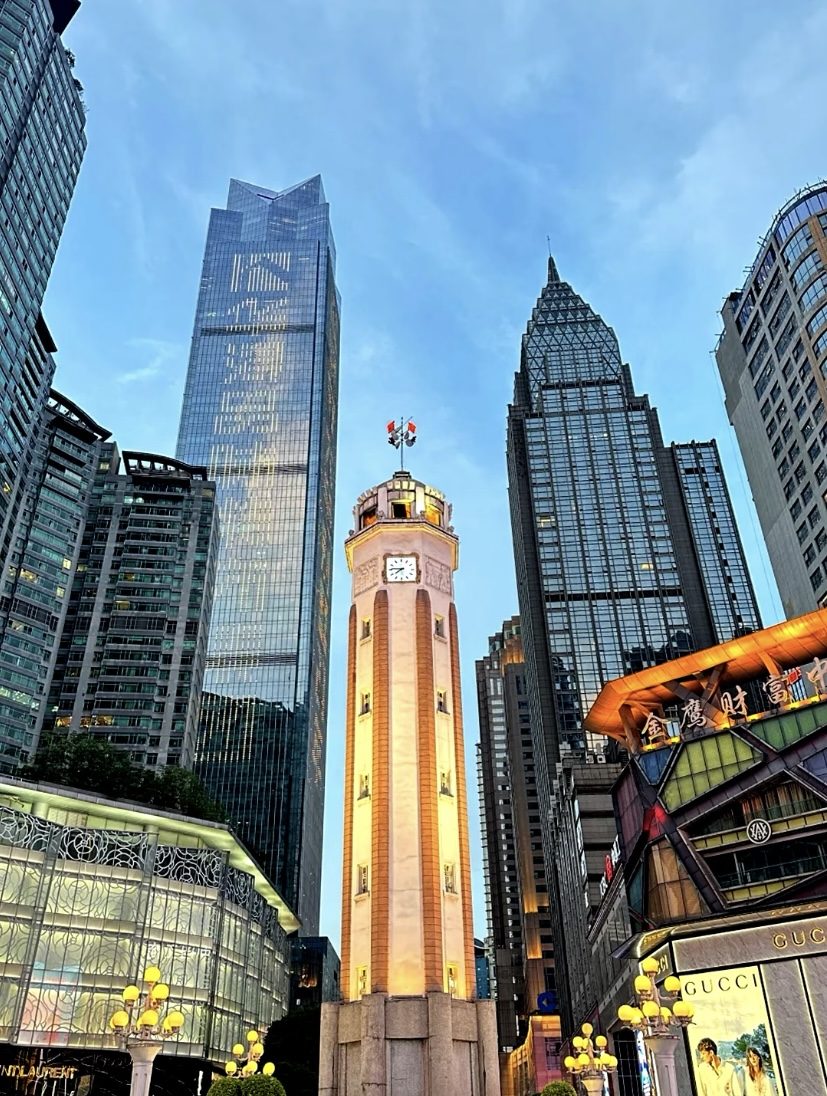
By the standards of any large world city, Chongqing has low violent crime and a strong public-safety culture. Streets, metro stations and tourist districts carry a heavy police and camera presence, and the famous night-view areas such as Hongyadong and Jiefangbei stay busy and brightly lit late into the evening. It is completely normal to see families, students and older residents out walking well after dark. Solo travellers, including solo women, generally describe the city as comfortable to move around.
The realistic risk is petty theft, and only in the same situations you would guard against anywhere: dense crowds at viewpoints, packed metro carriages and busy markets. Keep your phone, passport and wallet in a zipped inside pocket or a bag worn across the body, stay aware when you stop to take photos, and do not leave valuables on a cafe table. That is genuinely the extent of the day-to-day caution most visitors need.
The real challenge: the 8D city
Chongqing is built across steep hills and river gorges, which is why it is nicknamed the 8D or magic city. Roads run over rooftops, a building entrance on the ground floor may open onto a bridge many storeys up, escalators and long staircases replace ordinary pavements, and the metro famously passes through a residential tower at Liziba. It is spectacular, and it is also genuinely disorienting. The number one thing that actually trips up foreign visitors here is not crime, it is getting comprehensively lost, misreading which floor is the exit, or underestimating how much climbing a short map distance involves.
This is where a private guide and private car earn their place. A local guide reads the vertical layout instantly, keeps the walking sensible, and turns a maze into a smooth route, while a private car handles the transfers between areas that look close on a map but are separated by cliffs and rivers. If you plan to chase the neon skyline after dark, our Chongqing night views guide shows how we time and sequence the classic viewpoints to avoid the worst crowds.
Traffic and getting around safely
Chongqing has an excellent, clean and cheap metro that is the safest and fastest way to cross the city, and it bypasses the hilly traffic entirely. For door-to-door trips, use official licensed taxis or a Chinese ride-hailing app rather than accepting a lift from anyone touting for business at stations and attractions. When you cross the road, treat every junction with care, watch for scooters and electric bikes that move quietly, and cross with the crowd on a green signal rather than weaving through traffic.
The cable car across the Yangtze and the various sightseeing lifts and escalators are safe, well-maintained and part of the fun, though they get very busy at peak times. On a private trip we simply drive between the scattered highlights, so you skip the guesswork of which of the many metro exits to use and never end up on the wrong level of a station holding a heavy bag.
Health and climate
The main health consideration in Chongqing is the weather. Summers are hot and very humid, so pace yourself, wear breathable clothing and good walking shoes for the stairs, use sun protection and drink plenty of water. Because the city is so hilly, even a relaxed day involves real climbing, which matters most for families with young children and for senior travellers; our itineraries build in rest and shade rather than marching everyone up every staircase.
For food and water, drink bottled or boiled water rather than tap water, and eat at busy, popular places where turnover is high. Chongqing cuisine is famously fiery, and the numbing-spicy hotpot can genuinely surprise a first-timer. Pace the chilli, ask for a milder or split broth, and keep a drink handy. If you would rather enjoy the food scene without a heat ambush, our Chongqing food guide for foreigners explains how to order comfortably and where the gentler dishes are.
Money and payments
Chongqing runs on mobile payment. Almost everywhere, from restaurants and shops to street vendors and ticket machines, you pay by scanning a QR code. In 2026, both Alipay and WeChat Pay let foreign visitors link an international Visa, Mastercard or JCB card after a one-time passport verification, and once that is set up it covers the vast majority of situations smoothly.
It is still wise to carry some RMB cash as a backup, because a few small vendors and older machines may not accept a foreign-linked wallet, and physical foreign credit cards are reliably accepted mainly at large hotels and big stores. Treat this as normal destination admin rather than a safety worry: set up a mobile wallet before or on arrival, keep a modest amount of cash, and you will rarely hit a snag.
Connectivity and language
Mandarin is the everyday language, and while airports, international hotels and major attractions have some English, signs, menus and directions elsewhere are frequently Chinese only. For independent travel, a maps app, a translation app and a taxi app make a big difference, and you will want your own connectivity arranged through roaming or an eSIM before you travel. Keep it simple and plan your connection in advance rather than assuming everything will just work on arrival.
The cleanest solution to the language barrier is a private English-speaking guide, who handles menus, tickets, directions and any exchange with drivers or venue staff, so you spend your energy enjoying the city rather than decoding it. This is a genuine reason many of our guests choose a private trip, and it pairs naturally with the logistics help a guide already provides across the 8D city.
Scams to avoid
Serious crime is unlikely, but a handful of tourist-targeted scams do circulate, and they are worth recognising. The classic is the friendly-stranger tea house or art gallery invitation: someone strikes up a warm conversation, suggests a nearby spot, and you are landed with a wildly inflated bill. Others include unofficial characters offering to be your guide or driver, and unmarked cars charging several times the fair fare. The defence is simple: politely decline spontaneous invitations from strangers, use only metered licensed taxis or a ride-hailing app, and agree any price before you commit.
The most complete protection is to book with a licensed operator, so your guide, your car and your prices are all fixed and transparent in advance, which leaves no opening for these tricks. Anjia is operated by a fully licensed Chongqing travel agency (licence L-CQ-100787); you can read how that works and why it matters in our licensed Chongqing travel agency explainer.
Who Chongqing is especially easy for
Chongqing suits almost everyone, but different travellers have different main concern, and the way a private trip handles each one is what makes the city feel effortless.
| Traveller type | Main concern | How we handle it |
|---|---|---|
| Solo travellers | Navigation and language on their own | A private guide handles directions, menus and drivers so solo travel stays easy. |
| Families | Stairs, tired children and food | Gentle pacing, a private car and kid-friendly meals; see our Chongqing with kids guide. |
| Senior travellers | Hills, climbing and rest | Routes that limit stairs with built-in breaks; see our Chongqing for seniors guide. |
| First-timers | The disorienting 8D layout | A local guide turns the maze into a smooth, confident route from day one. |
Emergency numbers and what to do
Serious problems are unlikely, but it is worth memorising the nationwide emergency numbers before you go. They are the same across China: dial 110 for police, 120 for an ambulance or medical help, 119 for fire, and 122 for a traffic accident. Save them in your phone and note that they are free to call.
Carry your passport, and keep a hotel business card that shows the address in Chinese, so you can always get help or hand it to a taxi driver to get back. On a private Anjia trip your guide is reachable around the clock, which means in practice one call reaches the right service and someone who can translate for you, so you are never navigating an emergency alone in a language you do not speak.
Local Chongqing safety and comfort notes
These are the pages that turn a safe city into an easy one: practical detail on booking a licensed operator, travelling with children or older parents, eating comfortably, chasing night views and planning the whole trip.
Why a licensed operator removes scam risk, with our licence and legal entity explained.
Family safetyChongqing with kidsStairs, strollers, meals and tired-child backup plans for a relaxed family trip.
Comfort planningChongqing for seniorsLow-stair routes, hotel access and gentle pacing for older travellers.
Food comfortFood guide for foreignersHow to enjoy the spice, order comfortably and stay well on Chongqing food.
Night route detailChongqing night views guideBest timing, viewpoints and crowd-aware routing for the neon skyline after dark.
Plan everythingChongqing travel guideThe full overview of what to see, when to visit and how to put a trip together.
Want a worry-free private trip?
Tell us your dates, group size and preferred pace. We will turn this guide into a fully private Chongqing plan with an English-speaking guide, private car and 24h support.
FAQ
Yes, Chongqing is a very safe major city for tourists. It is a modern megacity with low violent crime, a heavy police and camera presence, and busy, well-lit tourist districts even late at night. The realistic risks for most foreign visitors are ordinary big-city ones: pickpockets in dense crowds, tiring hills and stairs, summer heat, and simply getting lost in the layered 8D street plan. Sensible common sense is enough, and a private guide removes almost all of the everyday friction.
Chongqing is generally considered comfortable for solo female travellers, including walking in busy, well-lit areas in the evening. Violent crime against tourists is rare and public areas are heavily monitored. The usual precautions apply: keep valuables secure in crowds, use licensed taxis or a ride-hailing app rather than unmarked cars, and share your plans with someone. Many solo travellers still book a private guide for the language help and easy logistics rather than for safety alone.
In 2026, mobile payment by QR code is accepted almost everywhere in Chongqing. Alipay and WeChat Pay both let foreign visitors link an international Visa, Mastercard or JCB card after a passport verification, and that covers most situations. Foreign physical cards work mainly at large hotels and big stores, less so at small vendors, so carry some RMB cash as backup. Your own phone works if you arrange roaming or an eSIM, and a local guide helps with maps, taxis and translation.
Mandarin is the main language and English is limited outside tourism venues, airports and international hotels. Menus, signs and directions are often Chinese only, so a translation app helps for independent travel. The simplest solution is a private English-speaking guide, who handles menus, tickets, directions and any conversation with drivers or staff. This is a genuine reason many of our guests book a private trip rather than a language convenience alone.
The scams to watch for are the same ones found in most big Chinese cities: a friendly stranger inviting you to a tea house or art gallery where the bill is huge, unofficial people offering to be your guide or driver, and overpriced rides in unmarked cars. Politely decline surprise invitations, insist on metered licensed taxis or a ride-hailing app, and confirm prices before you commit. Booking a licensed operator removes this risk, because your guide, car and prices are agreed in advance.
The nationwide emergency numbers in China are 110 for police, 120 for ambulance and medical help, 119 for fire, and 122 for a traffic accident. Keep your passport and a hotel business card with the address in Chinese so you can get help or a taxi back. On a private Anjia trip your guide is reachable around the clock, so in practice one call to your guide handles most situations, including reaching the right service and translating for you.