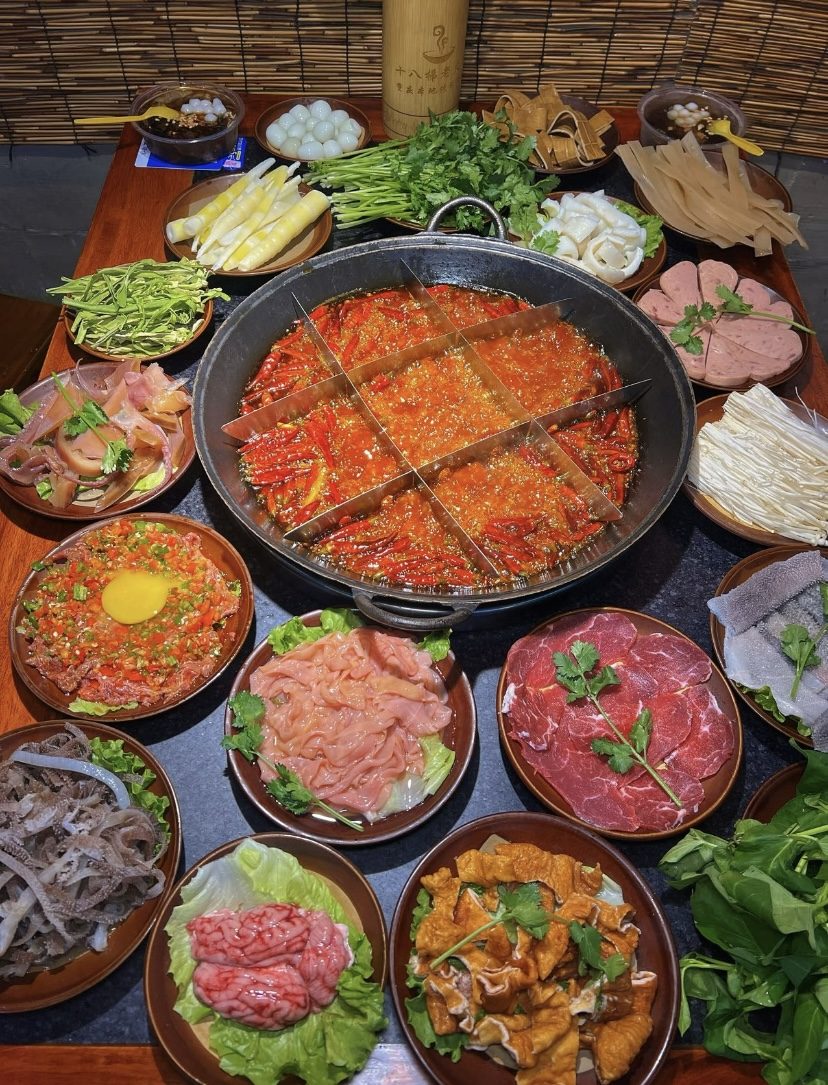
What Chongqing food actually is
Chongqing food is built around one word: mala. It combines la, the burn of dried and fresh chilli, with ma, a tingling, mouth-numbing buzz from Sichuan peppercorn. That double sensation is unlike the plain heat most visitors know, and once you taste it, the rest of the cuisine makes sense. This is the hotpot capital of China, a mountain city on the Yangtze and Jialing rivers where dining is loud, social and unapologetically bold.
Beyond hotpot, Chongqing is famous for jianghu cai, a rustic, big-flavour home-and-riverside style of cooking that piles on chilli, garlic and pepper without fuss. It is also the birthplace of xiaomian, the humble small noodles locals eat for breakfast at street stalls. The good news for cautious eaters: heat here is a dial, not a fixed setting. Almost every dish can be ordered milder, and there is a genuine non-spicy side to the city that most travellers never discover on their own.
Spice, decoded: how to control the heat
The single most useful skill in Chongqing is telling a kitchen how much heat you want. Spice is measured in levels, and you do not have to accept the default. Three phrases cover most situations: wei la (mild), zhong la (medium) and te la (extra hot). For hotpot, the game-changer is the split mandarin-duck pot, or yuanyang guo, a divided pot with a fiery red broth on one side and a clear, non-spicy broth on the other, so a mixed group can share one table happily.
Use the table below to match what you want with what to say and what actually arrives. For the full low-heat and no-spice strategy, including safe dishes and how to describe a chilli allergy, see our dedicated Chongqing non-spicy food guide. If ordering yourself feels risky, a private guide simply sets the spice level for your whole table.
| What you want | What to say | What you get |
|---|---|---|
| Barely any heat | Wei la (mild), or bu la (not spicy) | Gentle seasoning; ask for chilli oil on the side. |
| A little kick | Zhong la (medium) | Noticeable heat and a mild numbing buzz. |
| The full experience | Te la (extra hot) | Intense chilli plus strong Sichuan-pepper tingle. |
| Share with mixed tastes | Yuanyang guo (mandarin-duck pot) | A split pot: spicy side and clear non-spicy side. |
| No numbing feeling | Bu yao huajiao (no Sichuan pepper) | Heat without the tongue-tingling numbness. |
Must-try dishes
A first Chongqing food trip should cover the icons and a few local everyday plates. Here is a shortlist worth building a couple of meals around.
- Hotpot — the signature ritual: a simmering pot at the table where you cook meat, tripe and vegetables in mala broth.
- Xiaomian (small noodles) — the local breakfast of springy noodles in a chilli-and-pepper sauce, endlessly customisable for heat.
- Laziji — crisp fried chicken pieces buried in a mountain of dried chillies and peppercorns; you hunt for the chicken.
- Koushui chicken (mouth-watering chicken) — cold poached chicken in a fragrant chilli-oil dressing, easier to enjoy at a moderate heat.
- Suan la fen — hot-and-sour sweet-potato noodles, a beloved street bowl that is tangy as much as spicy.
- Steamed and light plates — steamed fish, stir-fried greens and clear soups balance a fiery table and let everyone find something.
Hotpot, step by step
Hotpot looks chaotic but follows a simple logic. First comes the dip dish: in Chongqing the classic is a bowl of sesame oil with garlic, which cools and coats each bite as you fish it out of the broth. You order raw ingredients in small plates and cook them yourself in the bubbling pot. Order matters a little, cook the items that take longest first, so denser meat and root vegetables go in before delicate greens and thin slices.
Local favourites include maodu (beef tripe), thin beef slices, luncheon meat, lotus root, potato, mushrooms, tofu and leafy greens. Tripe and thin beef need only seconds, a quick swish, while potato and root vegetables need a few minutes. Pace yourself: alternate spicy dips into the clear broth, keep rice and a cold drink handy, and do not rush. On etiquette, use the shared serving utensils to lower raw food, let hosts or elders start, and never fish in someone else's dip bowl. For a hands-on, guide-led version, see our Chongqing hotpot food tour for foreigners.
How to order without Mandarin
Menus outside tourist areas are often Chinese-only, and English is limited once you leave big hotels. You can still get by. Photo menus are common, so pointing works; a translation app helps you read dishes and type out an allergy or a spice request; and a short list of saved phrases for mild, medium and no-chilli covers most orders. Show the kitchen a written note if a mistake would be serious, such as a nut or shellfish allergy.
The catch is that this is slow, and errors with heat or hidden ingredients are common when nobody at the table reads the menu. This is exactly where a private English-speaking guide earns their place: they read the full menu, order a balanced spread for your table, set the spice level, and speak any allergy or dietary rule directly to the kitchen, so nothing is lost in translation. It turns an intimidating meal into a relaxed one.
Dietary needs: vegetarian, halal, allergies and kids
Let us be honest: a chilli-and-meat city takes planning for special diets, but it is very doable. Vegetarians and vegans will find tofu, mushrooms, lotus root, potato, aubergine and plenty of greens, and a mushroom or tomato hotpot broth works well, just watch for hidden meat stock, lard and shrimp paste. Our Chongqing vegetarian food tour is designed around exactly this.
Halal food is available: Chongqing has Muslim-friendly (qingzhen) restaurants and beef-based options, and a guide can steer you to suitable venues. For allergies, the common triggers to flag are peanuts and tree nuts, sesame (very common in dips and oils), shellfish and soy, always communicate these in writing. Travelling with children? Spice is the main obstacle; lean on clear broths, plain rice, steamed dishes, dumplings and mild noodles. Our Chongqing with kids guide has family-friendly food tactics.
Street food, snacks and where the food scenes are
Some of the best eating in Chongqing is casual and cheap. Look for suan la fen, small noodle stalls, skewers, dumplings, sticky-rice snacks and sweet treats that give your palate a rest from chilli. The city rewards grazing: a few small bites across an evening beats one heavy meal, especially while you adjust to the heat.
The food scenes cluster in a few kinds of place: lively commercial streets such as the Bayi Road snack area, atmospheric old streets and lanes, and the buzzy districts around the riverside night-view spots. Rather than name specific stalls, which come and go, a local can read the crowd and freshness on the day and pick what is genuinely good, which is far more reliable than chasing a list.
Food safety and comfort basics
Chongqing food is safe to enjoy with normal care. In hotpot, the whole method cooks food through in boiling broth, so give raw meat time to cook fully and use the serving utensils for anything uncooked. For street food, busy stalls with high turnover are your friend. Bottled or boiled water is the norm for visitors, and it is wise to carry hand sanitiser.
Comfort is mostly about managing the heat and the climate. Chongqing summers are hot and humid, so hydrate well, and if a dish is fierier than expected, reach for rice, plain noodles, tofu or a cold drink rather than water, which spreads the burn. Pace the spice across a meal instead of front-loading it, and give your palate breaks with milder plates. Build up gradually and the mala becomes a pleasure rather than a shock.
How an Anjia food experience works
Our Chongqing food experiences are fully private and built around your table. A private English-speaking guide and private car take you to genuinely good places, order a balanced spread, and tune every dish to your spice tolerance and dietary needs, with no forced shopping and 24-hour in-trip support. Whether you want to go full mala or keep it gentle, we shape the meals around your group. Tell us your tastes and we will put together a custom plan, and pricing is always a free quote for your dates and group. Explore our Chongqing food tour to see how it comes together.
More Chongqing food and travel guides
These pages go deeper on the parts of eating and travelling in Chongqing that generic China tour sites skim over, from spice-free dining to hotpot rituals and family meals.
A private, guide-ordered tasting route tuned to your spice tolerance and appetite.
Hotpot ritualHotpot tour for foreignersA hands-on hotpot experience with dips, cooking order and heat control explained.
Plant-basedVegetarian food tourMeat-free and vegan-friendly Chongqing eating, with hidden ingredients handled.
Low heatNon-spicy food guideThe full low-and-no-spice playbook for cautious palates and sensitive stomachs.
Family mealsChongqing with kidsHow to feed children in a spicy city, plus wider family logistics and pacing.
Trip overviewChongqing travel guideThe big-picture guide to planning a Chongqing trip, from sights to logistics.
Want a food trip built around your tastes?
Tell us your spice tolerance, dietary needs, group size and dates. We will design a private Chongqing food experience and send a free custom quote.
FAQ
No, but spice is the default, so plan for it. The signature mala flavour is both spicy and mouth-numbing, and hotpot, xiaomian noodles and many street snacks lean hot. That said, there is a whole quieter side of Chongqing food, from steamed dishes and light soups to sweet snacks, and almost anything can be ordered mild if you ask the right way or let a guide order for you.
Yes. You can ask for mild (wei la), request no chilli oil, or choose the split mandarin-duck hotpot with a clear, non-spicy broth on one side. Steamed dishes, stir-fries, dumplings, congee and sweet snacks give you a full non-spicy menu. Our non-spicy food guide has the detailed low-heat playbook, and a private guide can order a fully mild table for you.
Yes, hotpot is safe when the food is cooked through in the boiling broth, which is the whole point of the ritual. Use the provided utensils to lower raw items, give thin meat and greens time to cook fully, and be careful with the hot pot and splashes. The bigger surprise for newcomers is the heat level, not hygiene, so control the spice and pace yourself with rice, dips and cold drinks.
There are good vegetarian options, but a heavily meat and chilli city takes planning. Tofu, mushrooms, lotus root, potato, greens and cold vegetable dishes are widely available, and a mushroom or tomato broth works well for hotpot. Watch for hidden meat stock, lard and shrimp paste. Our vegetarian food tour and a private guide who speaks your dietary needs to the kitchen make this far easier.
You can point at photo menus, use a translation app for dishes and allergies, and copy a few key phrases for spice level. It works, but it is slow and mistakes happen with heat and hidden ingredients. The simplest solution is a private English-speaking guide who reads the menu, orders for your table, manages spice and flags any allergy or dietary rule directly with the kitchen.
Try Chongqing hotpot for the full mala ritual, xiaomian small noodles for the everyday local breakfast, and laziji chicken with chilli for texture and aroma. Add koushui mouth-watering chicken and suan la fen hot-and-sour sweet potato noodles for range. If you want less heat, balance the meal with steamed or lightly seasoned dishes so you taste the flavour without being overwhelmed.